This article may contain affiliate links. If you buy through them we may earn a commission at no extra cost to you.
The Samsung Galaxy M15 ($150–$180) lasts up to 50 hours per charge—the longest advertised endurance of any phone in this comparison. The OnePlus 13 ($600–$750) runs a flagship Snapdragon 8 Elite processor and still reaches 48 hours. If you want two full days without a charger, both deliver. Which one makes sense depends on what else you need the phone to do.
Battery capacity vs. real-world endurance
Manufacturers list battery capacity in milliamp-hours (mAh), but that number alone does not predict how long a phone lasts. A 5,000 mAh battery paired with a power-efficient OLED display can outlast a 6,500 mAh battery paired with an older processor and a backlit LCD—because the display and chip together account for the majority of power draw.
Why mAh is incomplete
mAh measures total stored energy, not how efficiently a phone uses it. Two phones with identical 5,000 mAh batteries will have different endurance if one runs a Snapdragon 8 Elite and the other runs a Snapdragon 7 Gen 3. The older chip consumes more power per task. A 120 Hz AMOLED screen also draws more power than a 60 Hz LCD at identical brightness—refresh rate and panel type both matter.
What actually determines longevity
Three variables drive real-world battery life:
- Screen technology: OLED pixels switch off individually when displaying black; LCD backlights stay on regardless of content.
- Processor generation: The Snapdragon 8 Elite and Apple A18 complete the same tasks using fewer milliwatts than their predecessors.
- Software optimization: Android 15 and iOS 18 include background-activity limits and machine-learning power allocation that older OS versions lack.
Compare phones by advertised endurance in hours, then check what workload that figure assumes. A manufacturer’s “50-hour” claim typically reflects mixed use—calls, browsing, streaming—not continuous screen-on time.
Top smartphones by battery endurance
| Phone | Battery (mAh) | Advertised Life | Screen Type | Price |
|---|---|---|---|---|
| Samsung Galaxy M15 | 6,000 | Up to 50 hours | IPS LCD | $150–$180 |
| Samsung Galaxy A15 | 5,000 | Up to 48 hours | IPS LCD | $150–$170 |
| OnePlus 13 | 6,000 | Up to 48 hours | AMOLED | $600–$750 |
| Motorola Edge 50 Ultra | 5,000 | Up to 40 hours | AMOLED | $700–$800 |
| iPhone 16 Plus | 3,582 | Up to 33 hours | Super Retina XDR OLED | $899 |
| Google Pixel 9 Pro XL | 5,060 | Up to 35 hours | Super Actua OLED | $1,099 |
Samsung Galaxy M15: longest raw endurance
The Galaxy M15 pairs a 6,000 mAh battery with a MediaTek Helio G99 processor and a 6.5-inch IPS LCD. The Helio G99, released in 2022, handles fewer simultaneous tasks than a current flagship chip—which is exactly why it conserves power so well during calls, messaging, and light browsing. The trade-off is real: app loading is noticeably slower, and demanding games drop frames. If your phone use centers on communication and media consumption, that trade-off costs you nothing.
OnePlus 13: flagship endurance
The OnePlus 13 reaches up to 48 hours while running a Snapdragon 8 Elite—the same chip class found in $1,000+ competitors. The 6,000 mAh battery offsets the chip’s higher peak power draw, and the AMOLED panel’s adaptive refresh drops below 120 Hz during static content. You get fast gaming, quick app loading, and multi-day battery life in the same device. The $600–$750 price reflects that combination.
iPhone 16 Plus: efficiency leader
Apple’s iPhone 16 Plus delivers 33 hours from a 3,582 mAh battery—roughly 9.2 Wh of energy, compared to the Galaxy M15’s 22.8 Wh. The A18 chip and tight hardware-software integration extract more screen-on time per milliamp-hour than any Android phone in this group. The iPhone 16 Plus is the right choice if you’re already in Apple’s ecosystem and want the most endurance without carrying a physically larger phone. At $899, you pay a significant premium over the Galaxy M15 for 17 fewer hours of advertised life—but you gain a substantially faster processor and camera system.
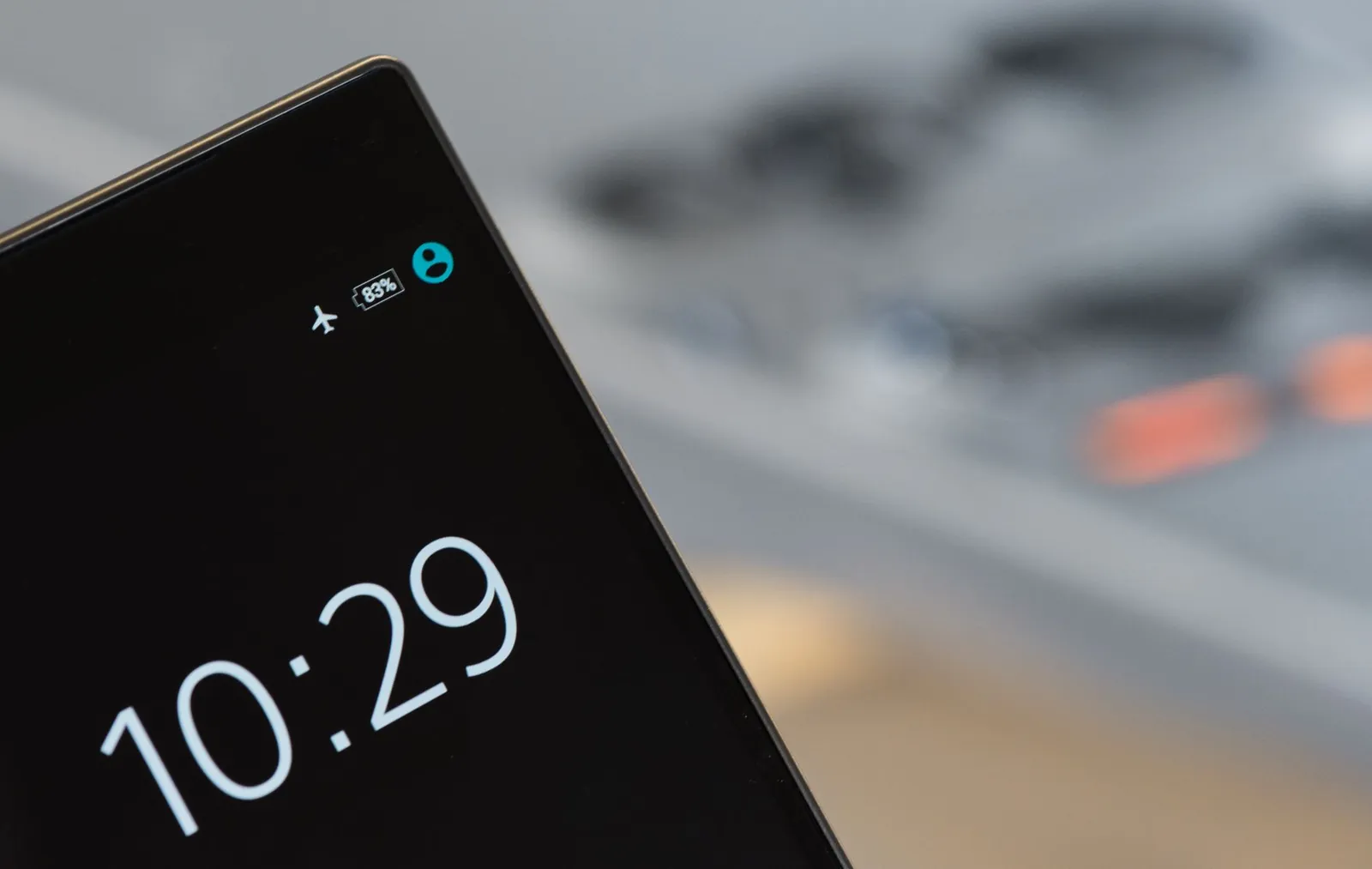
Screen technology and battery impact
A phone’s display typically accounts for 30–50% of total battery consumption, making panel choice one of the strongest predictors of endurance.
OLED vs. LCD efficiency
OLED pixels generate their own light and switch off completely when displaying black, consuming near-zero power for dark content. LCD panels use a continuous backlight behind the entire screen, drawing power even when most pixels show black. In practice, OLED phones gain the most from dark mode and dark-themed apps; LCD phones show less benefit from those settings.
The Galaxy M15’s 6.5-inch LCD and the iPhone 16 Plus’s 6.7-inch OLED illustrate the trade-off clearly: the iPhone’s smaller battery still outlasts the Galaxy M15 in Apple’s own testing because OLED efficiency compensates for the capacity gap—though the Galaxy M15’s claimed 50 hours exceeds the iPhone’s 33 hours under Samsung’s mixed-use methodology. Testing conditions differ between manufacturers, so treat both figures as directional rather than directly comparable.
Refresh rate trade-offs
A 120 Hz display redraws the screen twice as often as a 60 Hz display, consuming proportionally more power during active use. Most 120 Hz phones include adaptive refresh, which drops to as low as 1 Hz during static content like reading. Disabling 120 Hz entirely in settings typically adds 5–10 hours of endurance on phones that support the toggle—a meaningful gain if smoothness matters less to you than longevity.
Processor efficiency and power consumption
The Snapdragon 8 Elite and Apple A18 complete the same workloads using fewer milliwatts than previous generations, but they also enable more demanding tasks—8K video, high-refresh gaming—that erode those efficiency gains. A phone running a Helio G99 will outlast a Snapdragon 8 Elite device during web browsing and messaging, because the older chip handles those tasks at lower clock speeds. The efficiency advantage of newer chips shows up most during sustained, demanding workloads, not light daily use.
Battery life matters more than peak performance for most users; a phone that lasts two days beats one that lasts one day, even if the latter is faster.
Charging speed and battery longevity
Fast charging fills a battery quickly but generates heat, which accelerates chemical degradation. Most smartphone batteries retain roughly 80% of original capacity after 500 charge cycles—approximately 1.5 years of daily charging. After 1,000 cycles (around 3 years), expect 60–70% capacity. Charging speed directly affects how quickly you reach those thresholds.
The iPhone 16 Plus charges at 20W and takes approximately 45 minutes to reach full. The OnePlus 13 charges at 100W and reaches full in about 15 minutes. Slower charging is gentler on battery chemistry; faster charging trades long-term capacity retention for short-term convenience. After 500 cycles, the iPhone’s battery will likely retain more of its original capacity—but the OnePlus charges five times faster when you need it. For a full breakdown of this trade-off, see our article on fast charging versus wireless charging.
Software and battery optimization
Android 15 and iOS 18 both include power-saving modes that extend endurance by 10–20% by limiting background activity, reducing processor speed, and dimming the display. Enable Battery Saver (Android) or Low Power Mode (iOS) when your charge drops below 20%—both modes disable background refresh and location services for apps that don’t require them in real time.
The Galaxy M15 ships with Android 14 but receives three years of software updates, meaning battery optimization will improve incrementally over its lifespan. For more strategies, read our guide to improving smartphone battery life.
Budget vs. flagship trade-offs
The Galaxy M15 costs $150–$180 and lasts up to 50 hours. The OnePlus 13 costs $600–$750 and lasts up to 48 hours. The $450–$570 price difference does not buy meaningfully longer battery life—it buys a faster processor, a better camera system, and more RAM. If your daily use is calls, messaging, and browsing, the Galaxy M15 lasts longer and costs less. If you run demanding apps or games, the OnePlus 13’s Snapdragon 8 Elite handles those tasks without the frame drops and slowdowns you’d see on the Helio G99.
Our verdict
Choose the Samsung Galaxy M15 if battery endurance is your primary requirement and slower app performance is an acceptable trade-off. Choose the OnePlus 13 if you want flagship-class speed alongside multi-day battery life and can spend $600+. Choose the iPhone 16 Plus if you’re in Apple’s ecosystem and want the highest endurance-per-mAh efficiency available. All three survive two or more days of moderate use—calls, messaging, browsing, and occasional video—without a charge.
Frequently asked questions
Does a larger battery always mean longer battery life?
No. A 5,000 mAh battery with an efficient OLED display and a current-generation processor can outlast a 6,500 mAh battery paired with an older chip and an LCD panel. Capacity is one factor; display technology and processor efficiency carry equal weight.
How long do smartphone batteries last before degrading?
Most smartphone batteries retain roughly 80% of original capacity after 500 charge cycles—about 1.5 years of daily charging. After 1,000 cycles (around 3 years), expect 60–70% remaining capacity. Charging at lower wattages (20–30W) slows that degradation compared to 100W+ fast charging.
Can I improve battery life on my current phone?
Yes. Disable 120 Hz refresh rate, enable Battery Saver or Low Power Mode, reduce screen brightness to auto, and revoke location access for apps that don’t need it. Together, these changes typically add 5–10 hours of endurance. See our full guide for additional strategies.
Why does my iPhone last longer than a similarly-sized Android phone?
Apple designs the A-series chip and iOS together, optimizing power consumption at the hardware and software level simultaneously. Android manufacturers combine Google’s OS with third-party chips, which leaves more room for inefficiency. The iPhone 16 Plus demonstrates the result: 33 hours of endurance from a 3,582 mAh battery, while most Android phones require 5,000+ mAh to reach comparable figures.
Should I always use Low Power Mode or Battery Saver?
No—only when your charge drops below 20% or before a long stretch away from a charger. Both modes reduce processor speed, disable background refresh, and limit location services, which degrades the experience for apps that depend on those features. Using either mode daily suggests your phone’s battery capacity is insufficient for your usage pattern, and a higher-capacity device would serve you better.

Dev has benchmarked laptops and phones for a decade and still reads the changelog before updating.