This article may contain affiliate links. If you buy through them we may earn a commission at no extra cost to you.
The Garmin Forerunner 255 ($300) is the strongest all-around pick for most runners and cyclists: multi-band GPS, 14-day battery, and VO2 max tracking without the premium price of the Epix Gen 2. If you swim, the Coros Pace 3 beats everything at its price. If you own an iPhone and train casually, the Apple Watch Series 9 integrates better than any Android-first alternative.
What to look for in a fitness smartwatch
GPS and location tracking
GPS accuracy determines whether your route map and distance are reliable. Standard GPS is accurate to 5–15 meters in open conditions. Multi-band GPS—combining GPS, GLONASS, and Galileo—narrows that to 2–5 meters and holds up in urban canyons or dense forest, where standard GPS can make a 5K loop read as 5.3K. Multi-band adds roughly $50–100 to the price and shortens GPS battery life by 15–20%.
Heart rate monitoring
Wrist-based optical sensors work reliably for steady-state cardio—typically within 5–10 bpm of a chest strap—but arm movement during sprints or weight lifting introduces noise that can push readings 15–20 bpm off. For training-zone work at high intensity, a paired chest strap (Polar H10, Garmin HRM-Pro) is more reliable than any optical sensor currently on the market.
Battery life
Color AMOLED displays with always-on GPS drain in 11–18 hours. Monochrome e-ink displays with GPS off last 14–21 days on the same charge. The practical gap is larger than the specs suggest: a watch that lasts 18 hours of GPS use needs charging after every long ride, while a 40-hour GPS watch can cover a full triathlon and two training days before you plug in.
Workout modes and metrics
Entry-level watches track running and cycling. Mid-range models add swimming, strength training, and hiking. Premium watches auto-detect activity type and estimate VO2 max, training load, and recovery scores—metrics that require 3–4 weeks of consistent data before they calibrate accurately. They’re useful for athletes following structured training plans; for casual gym-goers, they add cost without changing behavior.
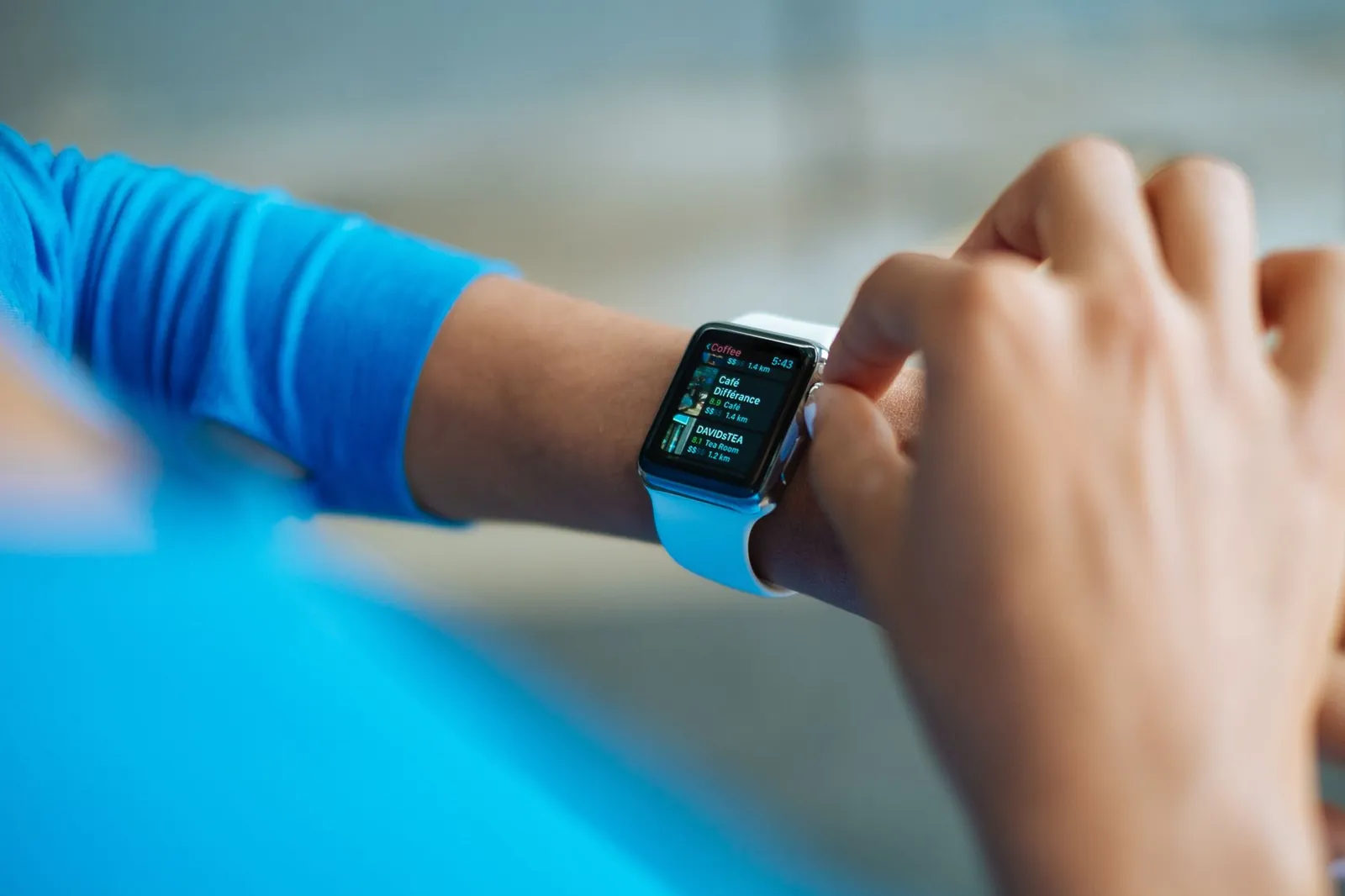
Best overall: Garmin Epix Gen 2
The Epix Gen 2 is the only watch in this group that pairs multi-band GPS with an AMOLED color display and still delivers 11 hours of GPS battery—enough for a 100-mile ride with time to spare. The stainless steel body and sapphire glass make it durable enough for daily wear, and Garmin’s Connect app provides the most detailed post-workout breakdown of any platform here: training load, acute vs. chronic stress ratio, sleep quality, and body battery score.
Price: $500. Best for runners and cyclists who want a single watch that handles racing, commuting, and meetings without looking like a sports tracker.
Best value: Garmin Forerunner 255
Drop the AMOLED screen and premium materials, and you keep almost everything that matters: multi-band GPS, VO2 max estimation, recovery time alerts, and 11 hours of GPS battery. Without GPS, the 255 lasts 14 days—meaning most runners charge it once a week. At 49g it’s lighter than the Epix Gen 2 (63g), which matters on long runs.
Price: $300. Best for distance runners and triathletes who train daily and want Garmin’s ecosystem without the Epix price tag.
Best for Apple users: Apple Watch Series 9
The Series 9 uses dual-frequency GPS—the same principle as multi-band, combining L1 and L5 signals for better urban accuracy—and auto-detects eight workout types including outdoor swim and strength training. Battery runs 18 hours in standard mode or up to 36 hours in Low Power Mode, which disables the always-on display and reduces GPS polling. It pairs only with iPhones; if you switch to Android, your fitness history stays in Apple Health.
Price: $399 (41mm) or $429 (45mm). Best for iPhone owners who want tight notification integration and use Apple Fitness+ for guided workouts.
Best for swimming: Coros Pace 3
The Pace 3 tracks pool laps, open-water GPS routes, stroke type, and SWOLF score—a combined stroke-count-plus-time efficiency metric that most competing watches at this price ignore. Its triathlon mode transitions automatically between swim, bike, and run without you pressing anything. GPS battery life is 40 hours; without GPS, the watch runs 21 days. The e-ink display is monochrome, which is a real trade-off in low contrast, but it’s readable in direct sunlight where AMOLED screens wash out.
Price: $299. Best for triathletes and open-water swimmers who need the longest GPS endurance at the lowest price.
Comparison table
| Model | GPS Type | Display | Battery (GPS mode) | Workout Modes | Price |
|---|---|---|---|---|---|
| Garmin Epix Gen 2 | Multi-band | AMOLED color | 11 hours | 30+ | $500 |
| Garmin Forerunner 255 | Multi-band | Monochrome LCD | 11 hours | 11 | $300 |
| Apple Watch Series 9 | Dual-frequency | LTPO OLED | 18 hours | 8+ | $399–$429 |
| Coros Pace 3 | Multi-band | E-ink monochrome | 40 hours | 100+ | $299 |
Our verdict
The Forerunner 255 is the default recommendation: it covers running, cycling, and triathlon with Garmin’s full metric suite at $200 less than the Epix Gen 2. Step up to the Epix if the color display and premium build matter to you. Choose the Coros Pace 3 if swim metrics and 40-hour GPS battery are the priority. The Apple Watch Series 9 is the right call only if you’re already in the Apple ecosystem—its fitness depth trails Garmin’s, but its notification and app integration is unmatched on iPhone.
How to choose based on your sport
Running
Prioritize multi-band GPS if you run in cities or on trails. Metrics like cadence, ground contact time, and vertical oscillation help identify form inefficiencies but require a compatible footpod or running dynamics accessory on some models. Battery life below 10 hours GPS is acceptable if you charge daily; for ultras or back-to-back training days, 40-hour GPS matters.
Cycling
Screen size affects usability: a 45mm+ display is easier to read at speed than a 41mm face. Look for power meter compatibility via ANT+ or Bluetooth if you train with wattage. On-device maps help for navigation on unfamiliar routes; the Epix Gen 2 supports full topographic maps, the Forerunner 255 does not.
Swimming and triathlon
Any watch rated 5 ATM (50 meters) handles pool and open-water swimming. The meaningful differences are stroke detection accuracy, SWOLF tracking, and whether triathlon mode handles transitions automatically. The Coros Pace 3 and Garmin Forerunner 255 both support auto-transition; the Apple Watch Series 9 requires manual mode switching between legs.
Strength training and general fitness
GPS is irrelevant indoors. Focus on optical heart rate accuracy during non-steady-state effort, automatic rep counting, and rest-timer functionality. The Apple Watch Series 9 has the most refined strength-training UI of the four watches here. E-ink watches with longer battery life are practical for gym-only users since GPS won’t run down the charge.
Battery life compounds across trips: a watch that lasts 2 days needs charging every travel day, while a 14-day watch charges once per month.
Frequently asked questions
Do I need a smartwatch or just a fitness tracker?
A fitness tracker (Fitbit Charge 6, Xiaomi Smart Band 8) costs $50–150 and lasts 7–14 days on a charge. It covers steps, sleep, and gym workouts accurately. A smartwatch ($250–500) adds onboard GPS, detailed sport metrics, and app notifications. If you run outdoors, cycle, or swim regularly, the GPS alone justifies the price difference. For walking and gym use, a tracker is sufficient.
How accurate is wrist heart rate on smartwatches?
Optical sensors stay within 5–10 bpm of a chest strap during steady cardio at moderate intensity. During sprints, HIIT, or weight lifting, readings can drift 15–20 bpm because wrist movement disrupts the optical signal. If you train in heart rate zones and do high-intensity work, pair your watch with a chest strap—Polar H10 and Garmin HRM-Pro are the most compatible options across platforms.
Can I use a Garmin watch with an iPhone?
Yes. Garmin watches sync with iPhones via the Garmin Connect app over Bluetooth. You get call and text notifications on the watch face. What you lose compared to Apple Watch is deep iOS integration: Siri, Apple Pay, and App Store apps don’t work on Garmin hardware. All fitness data syncs normally, and Garmin Connect exports to Apple Health if you want unified health records.
What’s the difference between standard GPS and multi-band GPS?
Standard GPS uses a single satellite constellation and is accurate to 5–15 meters in open sky. Multi-band GPS adds GLONASS and Galileo signals, improving accuracy to 2–5 meters and reducing drift in urban canyons and forest canopy by roughly 50–70%. The trade-off is 15–20% faster battery drain in GPS mode and a $50–100 price premium. For open-road running in clear conditions, standard GPS is adequate. For city running or trail racing, multi-band is worth it.
Do smartwatches work offline?
GPS watches record routes and metrics without a phone present. The data saves locally and syncs when you reconnect to the app. Pre-loaded maps (available on Garmin Epix Gen 2 and some Forerunner models) work offline. The Apple Watch Series 9 without cellular requires an iPhone nearby to record GPS—the watch uses the phone’s GPS chip rather than its own, which saves battery but limits solo use.

Dev has benchmarked laptops and phones for a decade and still reads the changelog before updating.