This article may contain affiliate links. If you buy through them we may earn a commission at no extra cost to you.
A smartwatch runs apps, handles notifications, and tracks fitness. A fitness tracker measures steps, heart rate, and sleep—with minimal interaction beyond glancing at a summary. If you’re choosing between the two, the deciding factors are usually battery life, price, and whether you need your wrist to replace your phone for short stretches.
Core Purpose and Feature Set
Smartwatches run full operating systems—watchOS, Wear OS, or Tizen—and can display emails, launch apps, and control your phone. Fitness tracking is one feature among many, not the primary design goal.
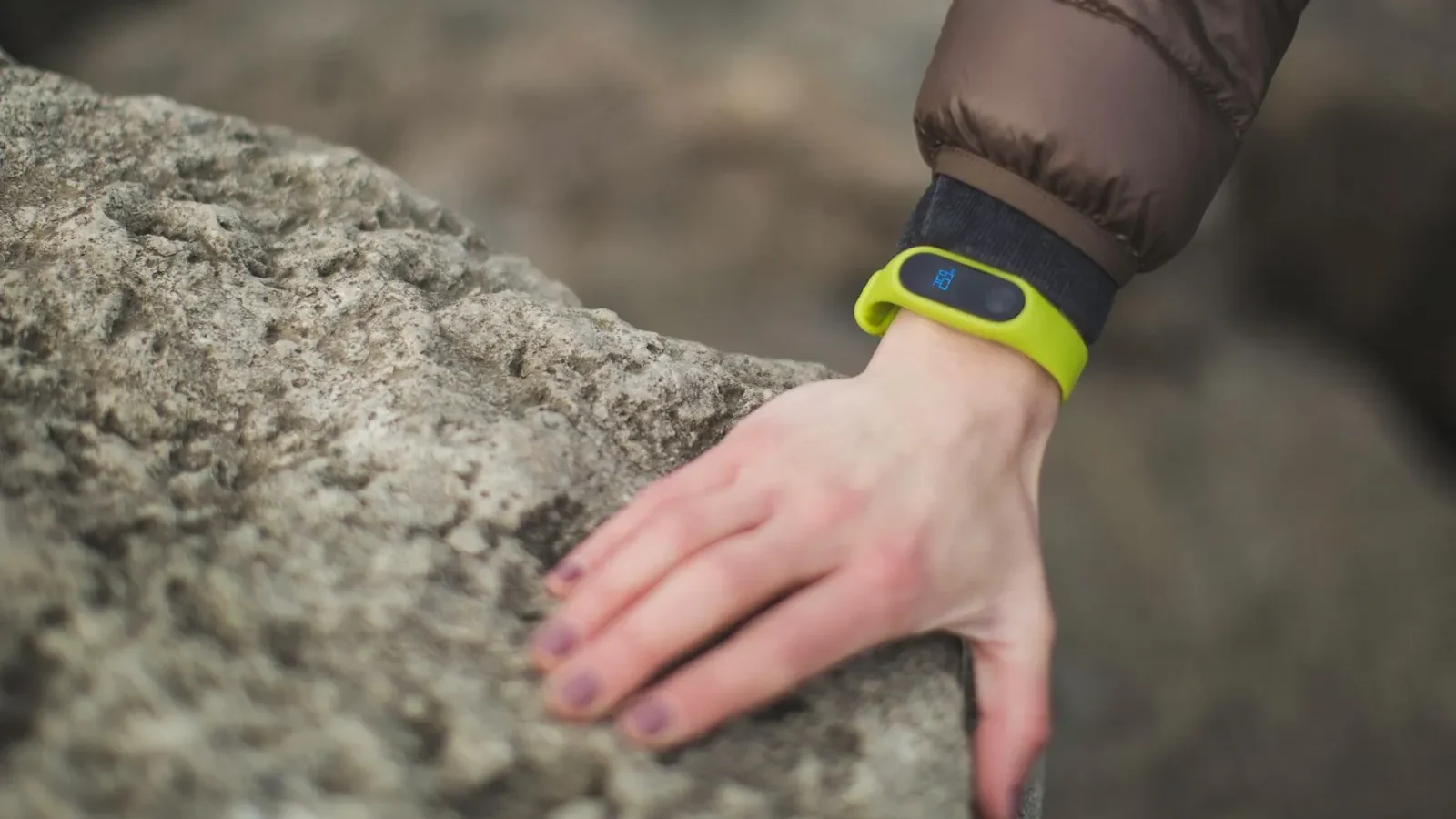
Fitness trackers are single-purpose devices. They measure steps, distance, calories, heart rate, blood oxygen, and sleep stages. Most show time and basic stats on a small display. Notifications are typically limited to call or text alerts, not full message previews or replies.
Choose a smartwatch if you want to check weather, pay with NFC, reply to messages, or install third-party apps. Choose a fitness tracker if you want a device you can ignore except for a daily glance at your stats.

Display and Usability
Smartwatches use AMOLED or LCD screens ranging from 1.4 to 1.9 inches—bright enough to read in direct sunlight, with touch navigation similar to a phone. Fitness trackers use smaller, simpler panels: monochrome LCD (Fitbit Charge 6), e-ink (Garmin Epix), or compact AMOLED strips (Xiaomi Smart Band 8). Navigation is typically one or two physical buttons, not a tap-and-swipe interface.
That display difference drives the biggest practical trade-off: battery life. Smartwatches last 1–3 days per charge. Fitness trackers run 5–14 days. If you travel frequently or simply dislike the habit of daily charging, that gap matters more than any spec on the sheet.
Health and Fitness Tracking Accuracy
Accuracy in this category depends on sensor quality and algorithm, not device category. A premium smartwatch—Apple Watch Series 9, Garmin Epix—tracks as precisely as a premium fitness tracker. Budget smartwatches often underperform budget trackers because manufacturers prioritize processor speed over optical sensor quality.
- Heart rate: Optical sensors in both categories are technically similar; real-world accuracy depends on wrist fit and skin tone. Apple and Garmin perform consistently across demographics in independent lab tests.
- Steps: Fitness tracker accelerometers are often more stable; some smartwatches miscount during stationary arm movements like typing.
- Sleep: Fitness trackers have a structural advantage—because they don’t need nightly charging, you actually wear them to bed. Smartwatch users who charge overnight simply miss the data.
- GPS: Included on smartwatches and premium fitness trackers (Garmin Forerunner, Fitbit Sense 2). Budget trackers under $80 typically rely on your phone’s GPS instead.
- Blood oxygen and ECG: Available on Apple Watch Series 4 and later, select Garmin models, and a handful of premium fitness trackers. Not standard in either category.
A fitness tracker’s simpler design often means more consistent sensor contact and longer wear time, which can improve health metric reliability over weeks.
Price and Value
| Category | Price Range | Example Models | Battery Life |
|---|---|---|---|
| Budget Fitness Tracker | $50–$100 | Fitbit Inspire 3, Xiaomi Smart Band 8 | 7–14 days |
| Premium Fitness Tracker | $200–$400 | Garmin Epix, Fitbit Sense 2 | 10–14 days |
| Budget Smartwatch | $150–$250 | Samsung Galaxy Watch FE, Pixel Watch 2 | 1–2 days |
| Premium Smartwatch | $300–$800+ | Apple Watch Ultra 2, Galaxy Watch 6 Classic | 2–3 days |
A $60 Fitbit Inspire 3 covers steps, heart rate, sleep stages, and 10-day battery. It handles the metrics most users actually review daily. A $400 Garmin Epix adds multi-band GPS, advanced running dynamics, and offline maps—features that matter to endurance athletes and almost no one else. Smartwatches cost more because they deliver apps, payments, and two-way communication that fitness trackers simply cannot replicate.
Ecosystem and Software
Smartwatch software ties tightly to your phone’s platform. Apple Watch requires an iPhone—no exceptions. Galaxy Watch works best with Samsung phones but connects to any Android device. Wear OS watches support any Android phone running Android 8.0 or later.
Fitness tracker apps are platform-agnostic by design. Fitbit, Garmin Connect, and Xiaomi’s Mi Fitness app run on both iOS and Android. Data syncs via Bluetooth and can be exported to Apple Health, Google Fit, or Strava without extra steps.
Smartwatches have app stores; you can install weather, music streaming, banking, and coaching apps directly on the device. Fitness trackers don’t support third-party apps. They display data from their own platform or approved partner services—that’s the ceiling.
When to Choose Each
Choose a smartwatch if you:
- Need to receive calls, texts, and alerts without your phone in reach.
- Want NFC payments at checkout.
- Use multiple fitness or health apps and want them consolidated on one device.
- Work in an environment where pulling out a phone is impractical or prohibited.
- Don’t mind charging every one to two days.
Choose a fitness tracker if you:
- Care primarily about step count, resting heart rate trends, sleep quality, and workout logging.
- Want a device that runs 7–14 days on a single charge.
- Prefer minimal notifications and no app management.
- Want reliable health tracking at the lowest possible price.
- Plan to wear the device overnight consistently—critical for accurate sleep data.
If you’re leaning toward a smartwatch but health tracking is still your top priority, see our guide to the best smartwatch for fitness tracking for models that handle both without compromise.
Durability and Design
Fitness trackers are built for constant wear: lighter, narrower, and typically waterproof to 50m, meaning showers and lap swimming are fine. Smartwatches are also water-resistant—5ATM (50m) for most sport models, 10ATM for the Apple Watch Ultra—but their larger screens and more complex electronics make damage from drops more consequential.
Design philosophy differs too. Fitness trackers like the Fitbit Charge 6 or Xiaomi Smart Band 8 are intentionally unobtrusive—a thin band you stop noticing. Smartwatches resemble traditional watches with interchangeable straps and customizable faces, which makes them more versatile socially but also more visible.
Frequently Asked Questions
Can a fitness tracker do everything a smartwatch does?
No. Fitness trackers can’t reply to messages, install apps, or handle complex on-device tasks. They’re designed for passive health monitoring. A smartwatch can cover most fitness tracking functions, but you trade away battery life and simplicity to get there.
Which is better for running?
Both work well at the premium tier. Garmin Forerunner series and Apple Watch Series 9 both offer built-in GPS, heart rate zones, and detailed workout metrics. Fitness trackers have longer battery life for efforts over four hours—relevant for marathons and ultras. Smartwatches let you control music and receive real-time pace notifications. The better choice depends on whether you prioritize endurance or in-run interaction.
Do I need both?
Rarely. A smartwatch covers fitness tracking; a fitness tracker covers health metrics more cheaply and with better battery life. The one case where owning both makes sense: wearing a tracker overnight for sleep data while using a smartwatch during the day—but that’s a niche habit worth questioning before spending on two devices.
Which tracks sleep better?
Fitness trackers have a practical edge because you wear them continuously without daily charging. Smartwatch users who charge overnight miss sleep data entirely. Some users charge their smartwatch at lunch to free it up at night, but that adds friction most people abandon within weeks.
Are fitness trackers obsolete?
No. They remain the better tool for anyone who wants health metrics, long battery life, and low complexity at a price under $100. Not every user needs a wrist computer. If you don’t use apps or need notifications on your wrist, a fitness tracker is the more focused—and cheaper—choice.

Lena writes about smart home, audio and the software settings nobody reads the manual for.